News
Do It For The Future | London Home Show April 2026
16th April, 2026
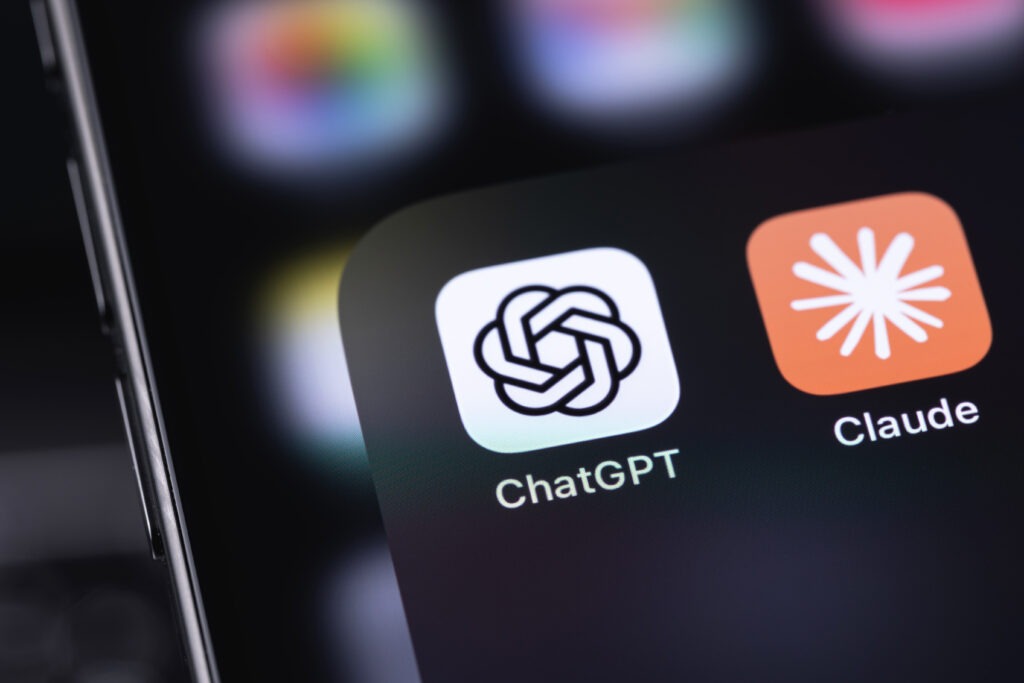
The short answer: OpenAI appears to be testing a "Business Hub" inside ChatGPT. Businesses that verify ownership would be able to see how often they appear in ChatGPT answers and how many clicks those appearances send to their website, shown as a daily chart. It has not launched, OpenAI hasn't announced it, and the reported version doesn't show prompts, user data or how you compare with competitors. If it arrives, it will be the first first-party count of ChatGPT visibility. It still won't tell you whether that visibility is growing your business.
If you've been asked "are we showing up in ChatGPT?" in the last six months, you'll know how hard it is to answer honestly. Most of what's available today comes from third-party tools that run sample prompts through ChatGPT and record what comes back. That's useful, but it's a sample, and it isn't OpenAI's own data.
So a native dashboard sounds like the answer. In part, it would be. But the most important questions for a marketing director aren't "how many times were we mentioned?" They're "did it bring us the right customers?" and "should we spend more here?" Those need more than a mention count.
On 6 November 2026, Juozas Kaziukėnas, founder of the ecommerce research firm Marketplace Pulse, posted a screenshot on LinkedIn of a banner inviting businesses to "Claim your business in ChatGPT". Search Engine Land and Search Engine Roundtable covered it the same day, and Digiday followed on 9 November, citing two further sources familiar with the feature.
Here's what the reporting describes:
Kaziukėnas also noted what's missing: no prompts, no user data and no competitor benchmark or ranking. In his words, it "won't help understanding why mentions/clicks are increasing or decreasing".
OpenAI declined to comment to Digiday. Everything above comes from one observer's screenshots and the trade press that reported them. That's worth taking seriously, but it isn't an announcement.
Before anyone rebuilds a reporting pack around this, there are some open questions:
This isn't happening in isolation. Two other platforms already give site owners some first-party AI visibility data.
| Feature | ChatGPT Business Hub (reported) | Google Search Console generative AI report | Bing Webmaster Tools AI Performance |
|---|---|---|---|
| Status | Reported test, not launched | Live; announced 3 June 2026, wider rollout from 31 August 2026 | Public preview since February 2026 |
| What it counts | Appearances in answers | Impressions in AI Overviews, AI Mode and Discover AI features | Citations of your pages in Copilot and Bing AI answers |
| Clicks | Yes (reported) | Not listed for the AI-specific view | No |
| Queries or prompts | No | Not in the AI-specific view | Grounding queries, plus topics and citation share in preview |
| Breakdowns | Not known | Pages, countries, devices and dates | Pages, with topic and intent views in preview |
Sources: Google Search Central, Google Search Console Help and Bing Webmaster Blog.
One detail matters for reporting. Google says its generative AI impressions also stay in the overall Search Console performance report. Add the two together and you'll double count. Expect similar care to be needed with any ChatGPT figures once they sit alongside your other channels.
This is where we'd urge some caution. A rising appearance count feels like progress. It might be. But on its own it can't tell you:
Digiday makes a fair point here too. Once visibility becomes a daily number, marketers will want it to go up, and the obvious paid lever is a sponsored placement next to the answer. That isn't a reason to ignore the data. It's a reason to judge it against business outcomes rather than against itself.
You don't need to wait for a dashboard to start measuring ChatGPT properly.
utm_source=chatgpt.com, though OpenAI's current help pages don't document this, so check your own data. GA4's built-in AI Assistant channel, added in May 2026, groups many of these visits for you. Check Referral and Unassigned for the rest, then look at the pages they land on and what they go on to do.This section is our opinion. If the Business Hub does launch, these are the additions that would make it useful for planning, not just reporting:
A first-party count of ChatGPT visibility would be a real step forward. It would give you something more solid than sampled prompts and something to check your AI search work against.
It won't be the whole picture. Appearances and clicks are leading indicators. The decision about where to put your next pound of budget still depends on whether those visits turn into customers, and that means joining this data to everything else you measure.
If you'd like a second opinion on how your business shows up in AI search, and how to measure it in a way your board will trust, talk to us about an AI measurement review.
It's a reported, unreleased feature that would let verified businesses claim their presence in ChatGPT. Screenshots show three parts: analytics on appearances and clicks, a way to add products and keep business information current, and a business agent that answers customer questions using information the business provides.
Not as far as we know. As of November 2026 it has only been seen in testing, and OpenAI hasn't confirmed launch timing, eligibility or which countries will get access.
Based on the reported screenshots, daily impressions (how often your business appeared in ChatGPT responses) and clicks (how often people clicked through to your website). It does not show the prompts behind those appearances, user data or competitor comparisons.
No. The Business Hub is described as covering organic answers. ChatGPT Ads, which launched in the UK in August 2026, are a separate paid product with their own reporting. OpenAI says ads don't influence ChatGPT's answers.
Look for sessions with utm_source=chatgpt.com in GA4, which ChatGPT commonly adds to outbound links, though OpenAI doesn't currently document it. Then follow those sessions through to enquiries, bookings or sales. Bear in mind that some ChatGPT-influenced visits arrive without a referrer, and many people read an answer without clicking at all.
Not by itself. An appearance shows visibility. It doesn't show whether you were recommended, whether the description was accurate or whether it led to a customer. Judge it against qualified outcomes, not mention counts alone.
Search is changing. Audiences are changing. Media is changing.
We’d rather understand what’s happening than follow the noise.
© 2026 TheMediaPeople. All Rights Reserved.
Built to perform. Designed by Lunatix.