
News
IAB AI Growth Summit 2026: Confidence, Challenge and Letting Go
9th July, 2026
AI is no longer a future concept. It’s in our pockets, embedded in search engines and shaping how people find information every day. As adoption grows, the search ecosystem is shifting with it.
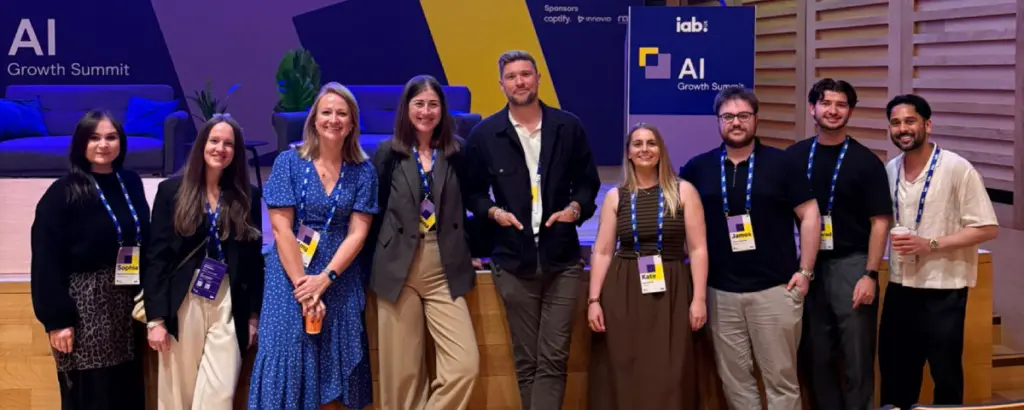
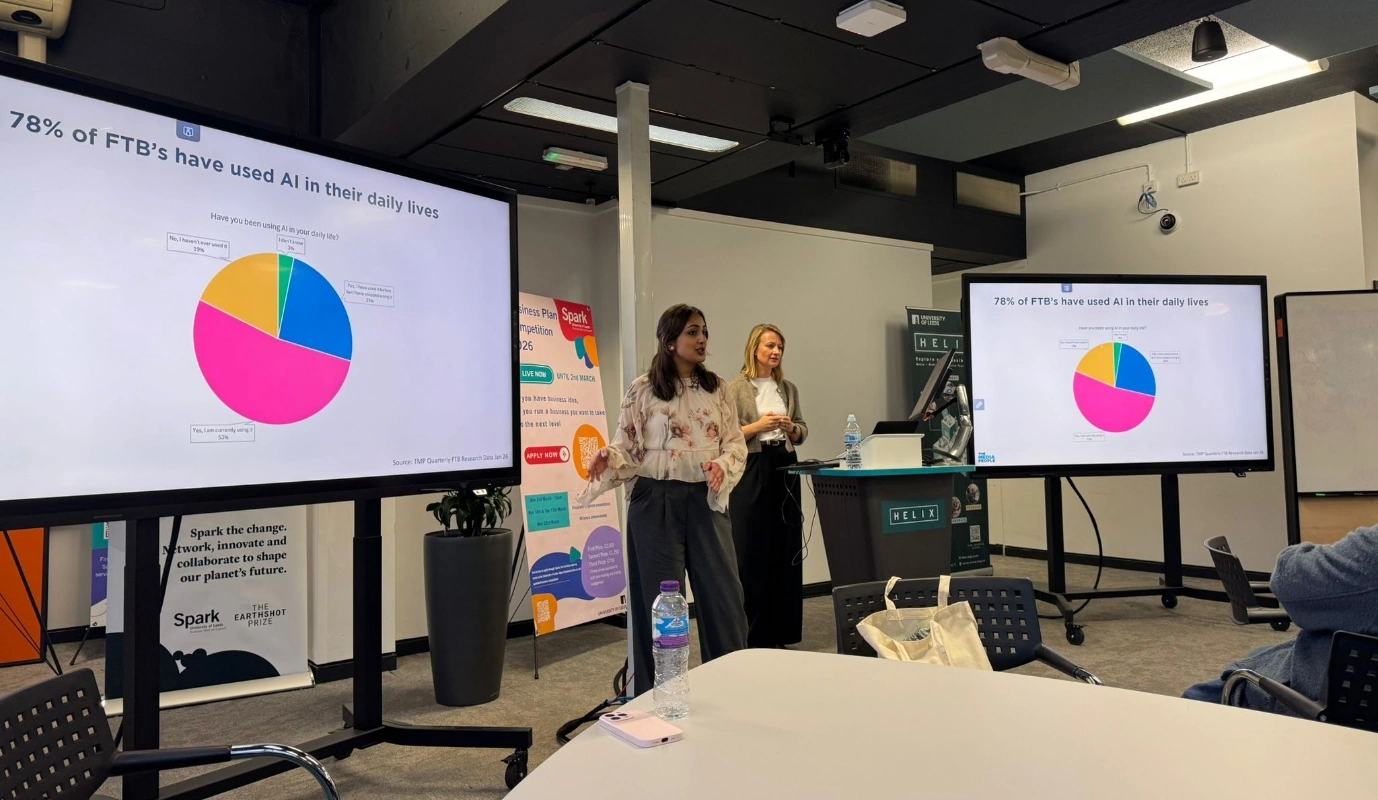
At our recent AI Summit in Leeds, our second session focused on exploring this new ecosystem, discussing how AI is transforming visibility, performance and measurement in search.
Historically, success in SEO has been measured using metrics like clicks, impressions and rankings. But as AI becomes more integrated into search engines through features and platforms like AI Overviews, AI mode and LLMs, those indicators are becoming less dominant.
One theme emerged clearly from the group discussions: business outcomes matter more than clicks. Conversions, leads and ROI remain measures of success, but qualitative signals like brand perception and user trust are increasingly important.
Success is also defined by presence across platforms. Brands need to be visible in AI models, referenced in prompts and recognised as authoritative. Achieving this requires a strategic rethink of how we approach search.
So how do we evaluate AI’s impact on search? Discussions at the summit pointed to a combination of hard metrics and emerging signals.
Visibility in Large Language Model (LLM) outputs is now a performance indicator. Frequently appearing in responses or recommended content signals authority and trust. SEO log file analysis can help track LLM activity, showing how often bots interact with your site and whether your content is optimised to surface in AI-driven search.
Another focus of the session was looking at how we can effectively integrate AI into search strategies. Clear frameworks for tracking performance are essential, and our new AI product offering (Semrush Enterprise) allows us to understand visibility within AI models. Instead of guessing, we can see what’s appearing, where it appears and how frequently. This insight makes ongoing optimisation possible. Teams can refine content, strengthen technical foundations and make sure campaigns are positioned to perform in an AI-influenced search environment.
Ultimately, success with AI is about strategy, high-quality content and understanding how your audience interacts with AI-driven search results. Combining technical SEO, content strategy and AI performance analysis helps make sure your brand remains visible, authoritative and relevant.
Rather than abandoning traditional metrics, we need to broaden our perspective and evolve our strategies alongside the new ways people search.
If you’d like to explore these ideas further, visit our newsroom, where we share research, insights and practical guidance on AI, SEO and the evolving search landscape.
And if you have questions about any of the services mentioned, from technical SEO to AI services, get in touch.
Search is changing. Audiences are changing. Media is changing.
We’d rather understand what’s happening than follow the noise.

© 2026 TheMediaPeople. All Rights Reserved.
Built to perform. Designed by Lunatix.